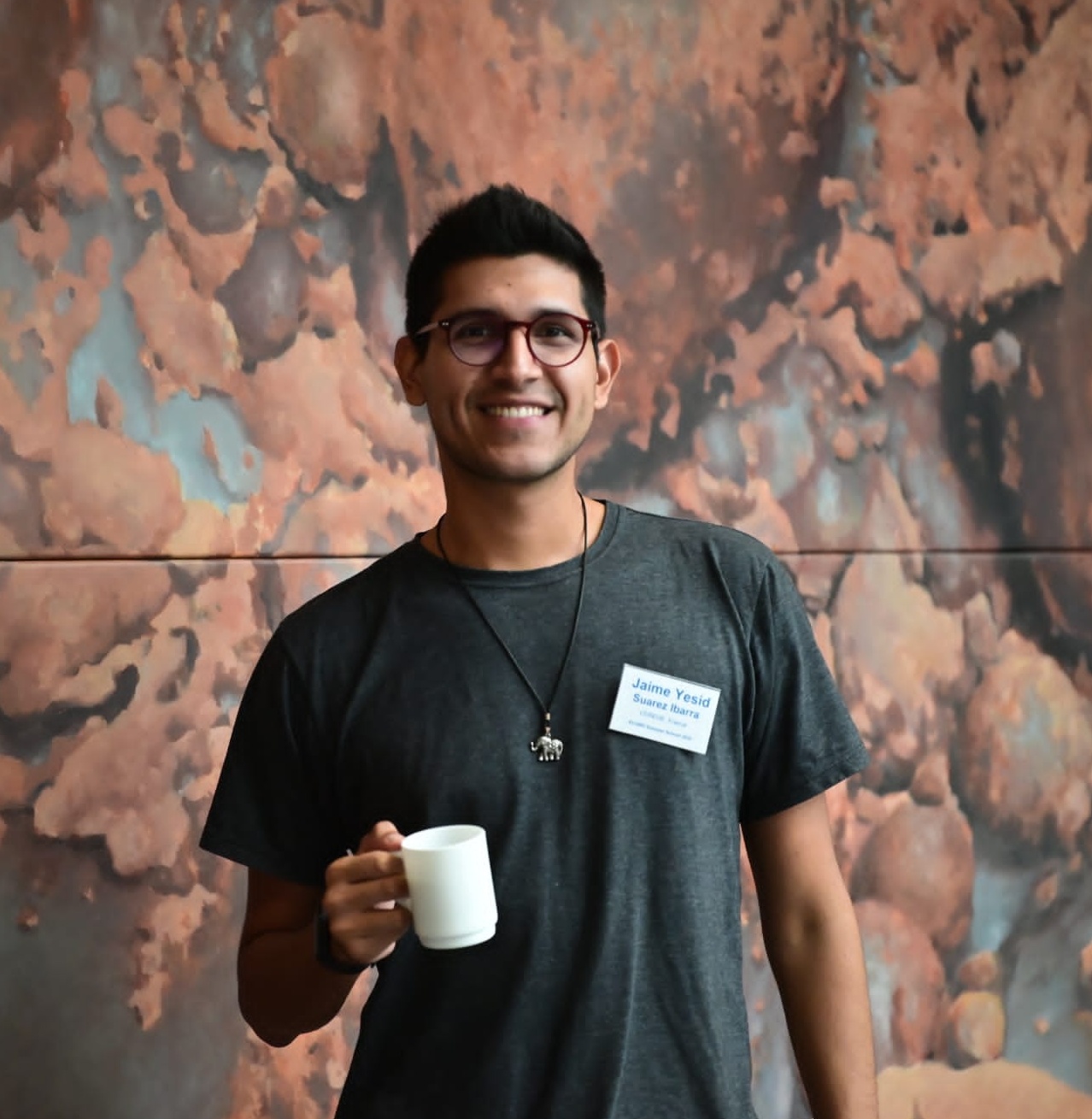
ENIGMA: Exploration into a Global Early Miocene Anomaly
My application to join the Science Team of IODP3 Expedition 505S "ENIGMA"
was successful. Along with Dr. Anta Clarisse Sarr,
we will be two researchers from CEREGE to be part of the team. This SPARC-funded, 3-year expedition,
co-led by Dr Adam Woodhouse and Dr Jennifer Kasbohm, investigates a striking Early Miocene
carbon-cycle anomaly through multi-proxy geochemical and micropalaeontological analyses of
planktonic foraminifera. I am looking forward to contributing my work on boron isotope (δ11B)
reconstructions of ocean pH and pCO2 to this collaborative international effort.
Southern Component Water-driven carbonate dissolution and carbon storage during the Last Glacial Maximum in the western South Atlantic
1 April 2026
March 27, 2026
ECORD-IODP Research Grant
Documenting Globigerinoides elongatus and G. ruber evolutionary
history: a morphometric framework to improve biostratigraphic schemes
and palaeoceanographic data
This funding will allow me to get hands-on training on crucial taxonomic aspects, palaeoecology
and evolution of Neogene planktonic foraminifera from Professor Bridget
Wade, to refine the morphological evolution of this species and access to IODP
samples (Western Pacific Warm Pool: Indian and Pacific Ocean basins), housed at UCL.
eCO2-MorpH: Using advanced morphometrics and AI to track evolutionary ecological changes
and re-evaluate Neogene pH-based pCO₂
My project was selected for funding under the highly competitive
HORIZON-MSCA-2025-PF call. In this call,
1,610 projects were funded out of 17,066 applications,
corresponding to an overall success rate of 9.6%.
eCO2-MorpH received full funding from the European Research Executive Agency (REA)
under Horizon Europe and will be hosted at CNRS (France) for 24 months.
Bioerosion drill holes increase carbonate dissolution in the planktonic foraminifer Globigerinoides ruber
in press, 16 January 2026
A sedimentary record of paleodirectional and relative paleointensity variations of the Earth's magnetic field from offshore South Brazil spanning the time from 46.15 to 5.36 ka
Volume 370, 15 December 2025, 109652
Planktonic foraminifera test size dictated by conditions in life and postmortem
Journal of Foraminiferal Research, 55(3): 320–335
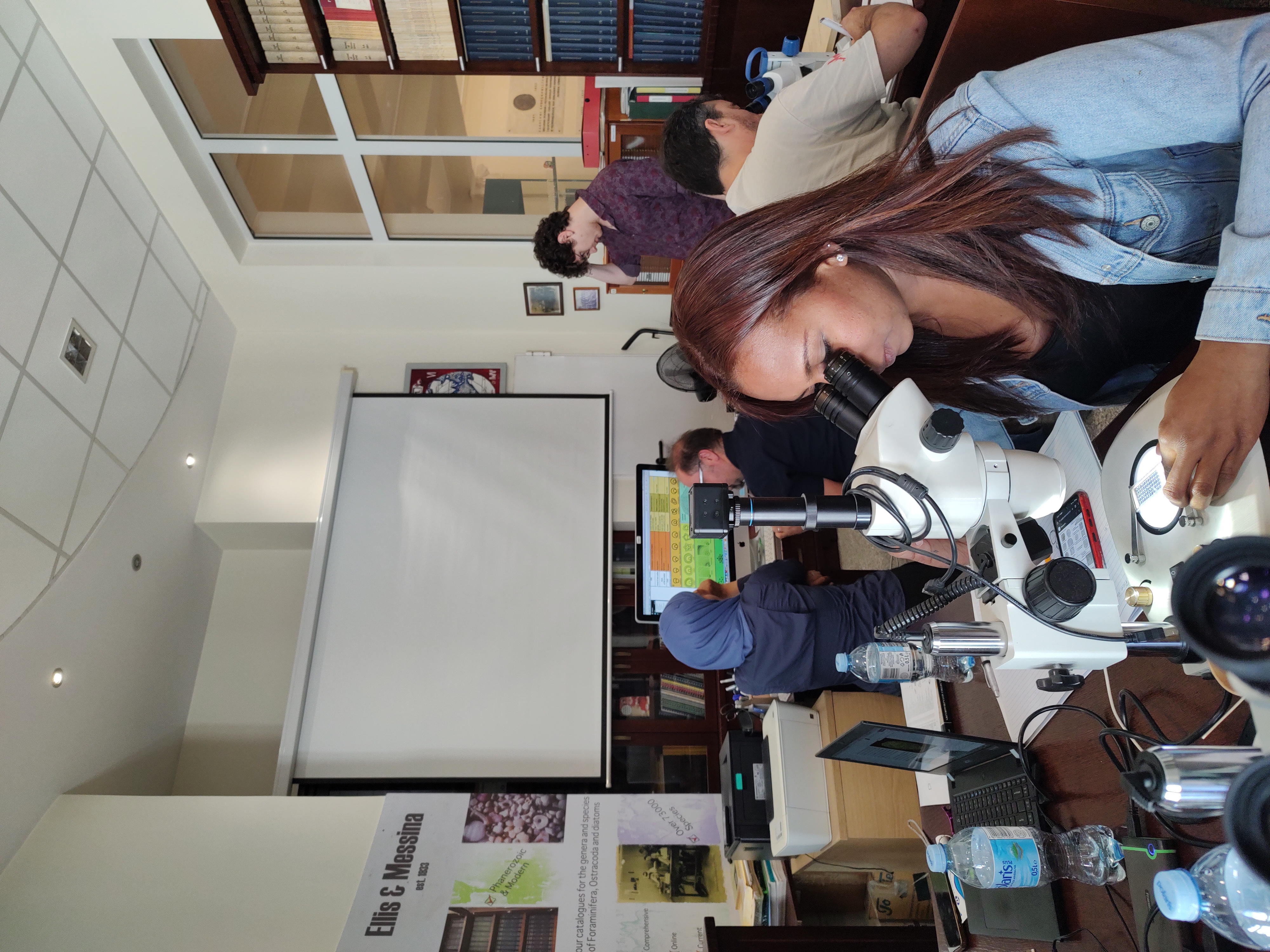
Advanced training in planktonic and benthic foraminiferal taxonomy, stratigraphy, and biostratigraphy
Ten-day intensive course held in Kraków, combining ~40 hours of lectures and ~40 hours of practical
microscope work. Training covered Paleozoic, Mesozoic, and Cenozoic planktonic and benthic
foraminifera using thin sections, IODP/ODP materials, and petroleum-basin case studies.
The program reviewed classification schemes, evolutionary history, and practical applications
in biostratigraphy and paleoecology, with exercises following each module.
A highly specialized course for students and professionals working with foraminifera.
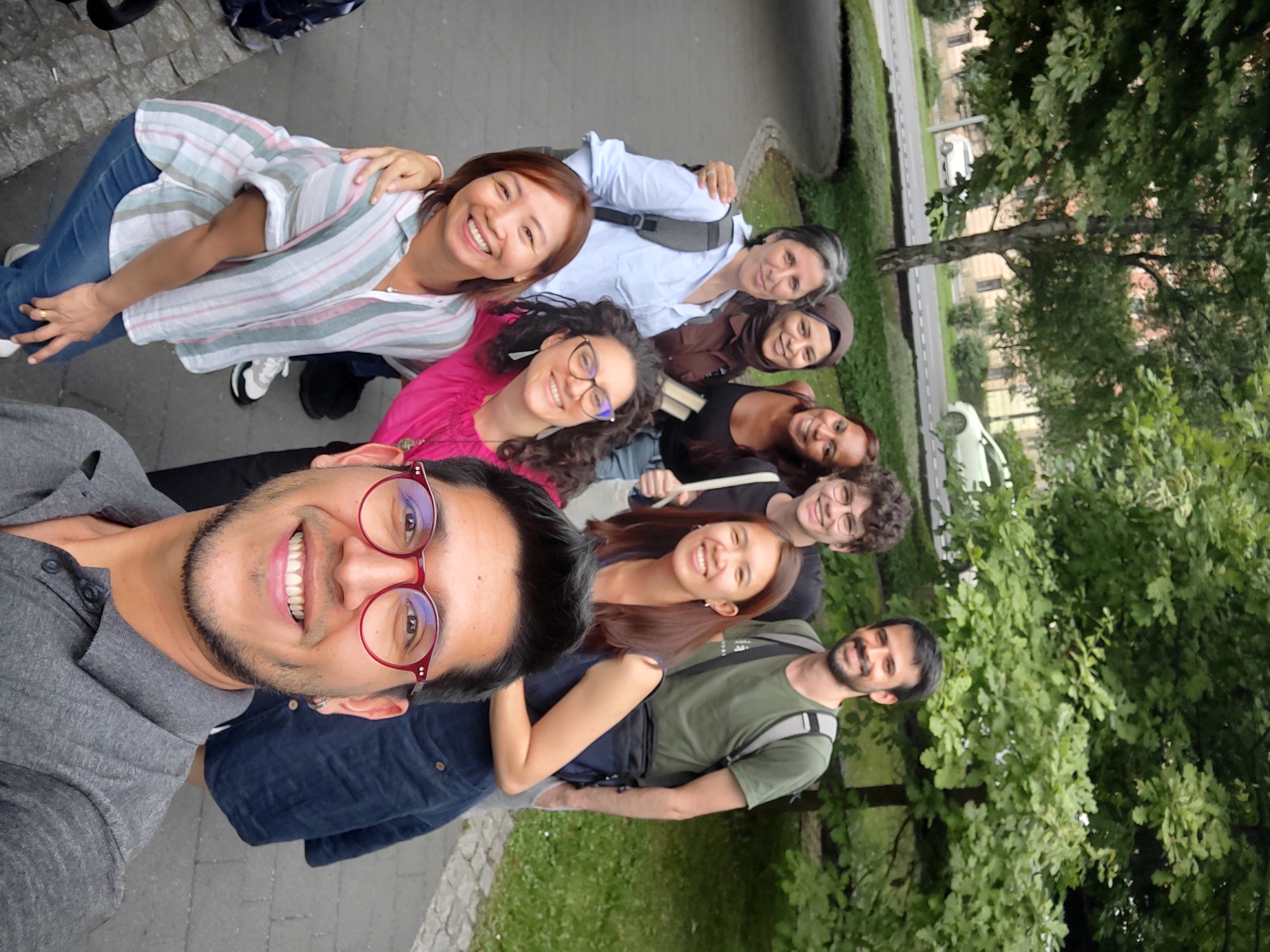
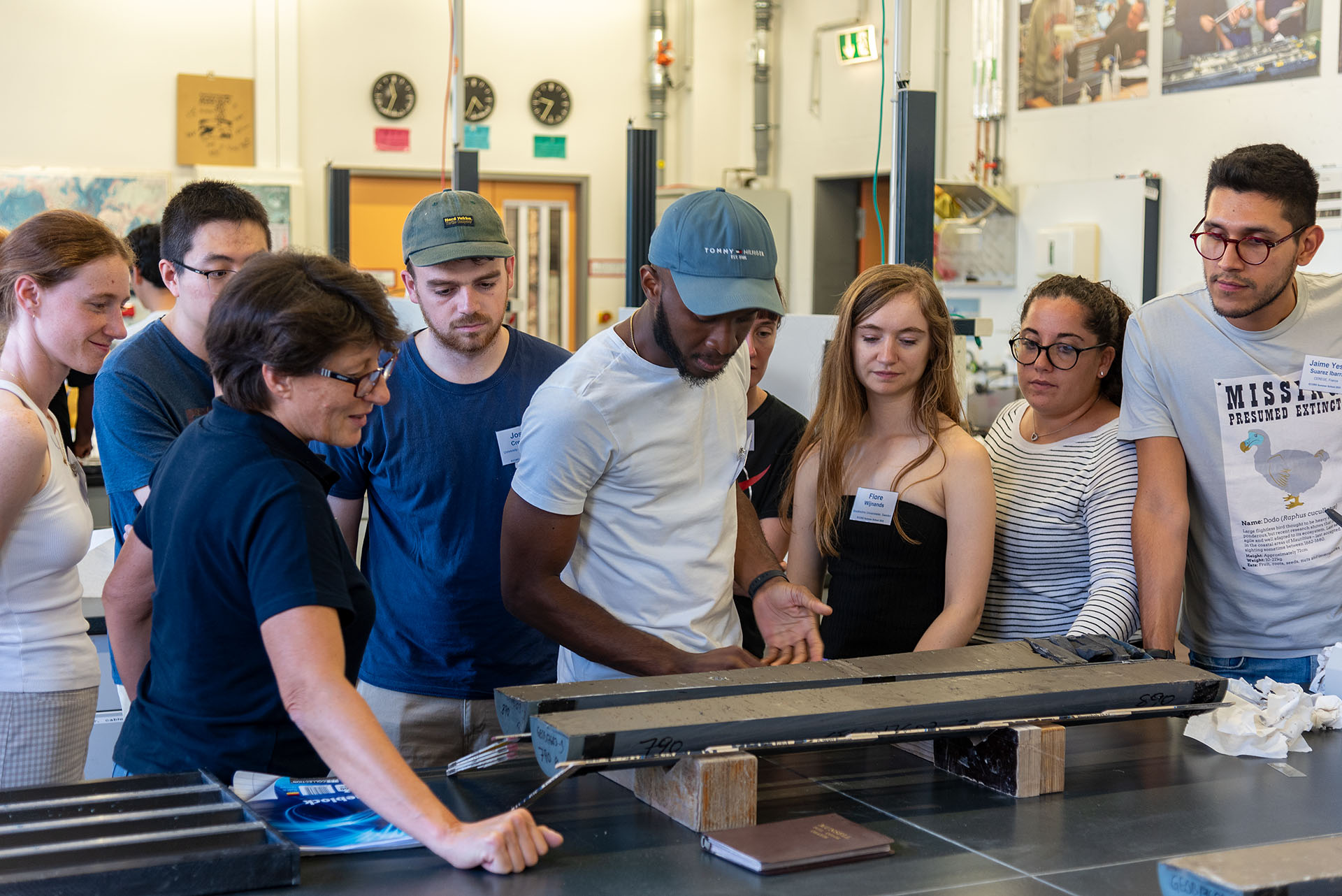
From Greenhouse to Icehouse – The Cenozoic Arctic Ocean and Global Climate History
Two-week intensive training held at MARUM – Center for Marine Environmental Sciences and the
IODP Bremen Core Repository, focusing on the long-term evolution of Arctic climate during the Cenozoic.
The summer school combined expert lectures, core description, and IODP-standard analytical methods within a
shipboard-simulation environment. A diverse and highly international cohort enabled strong scientific
exchanges and long-lasting collaborations.
A breathtaking archaeological site & a geological treasure.
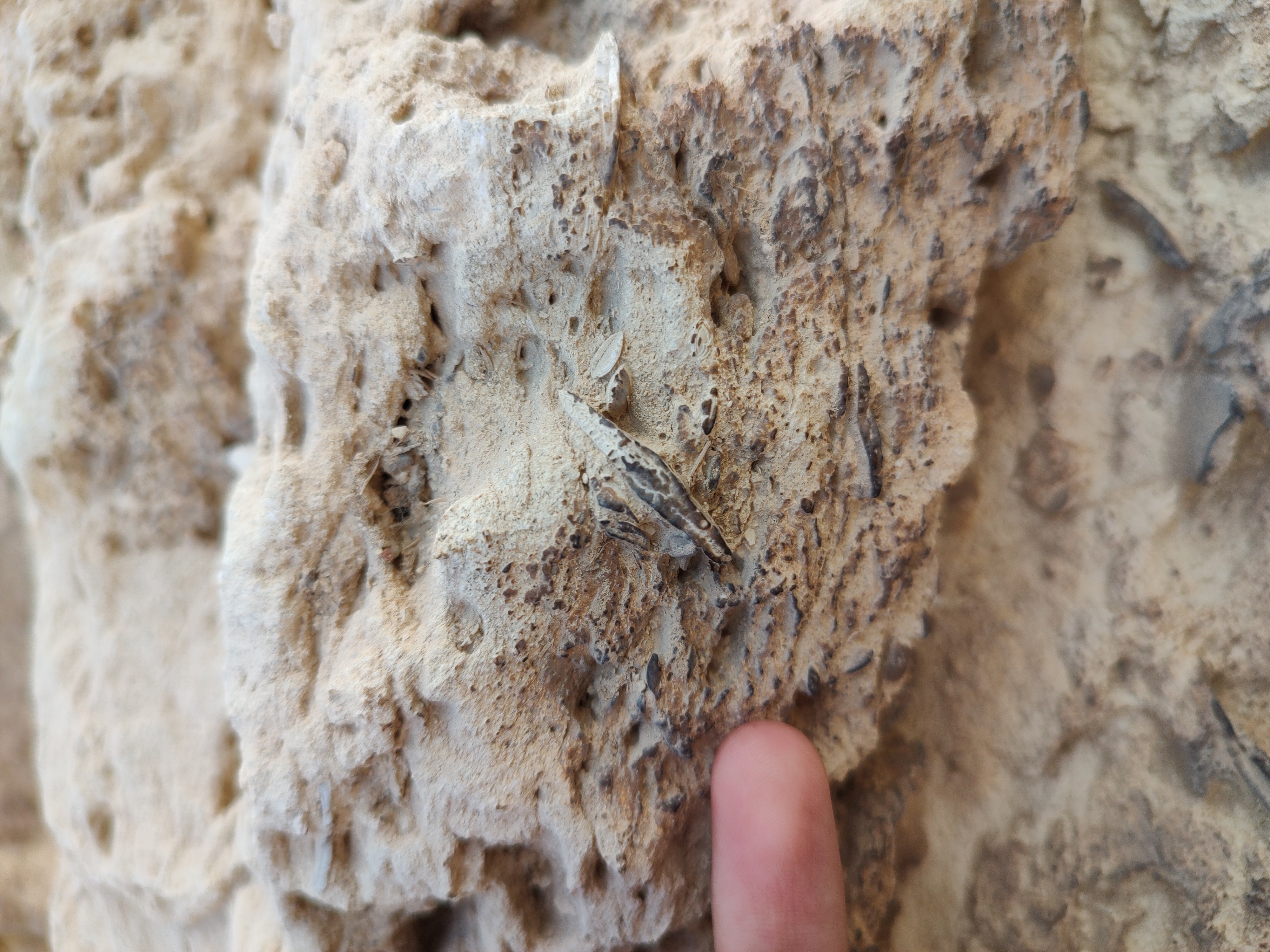
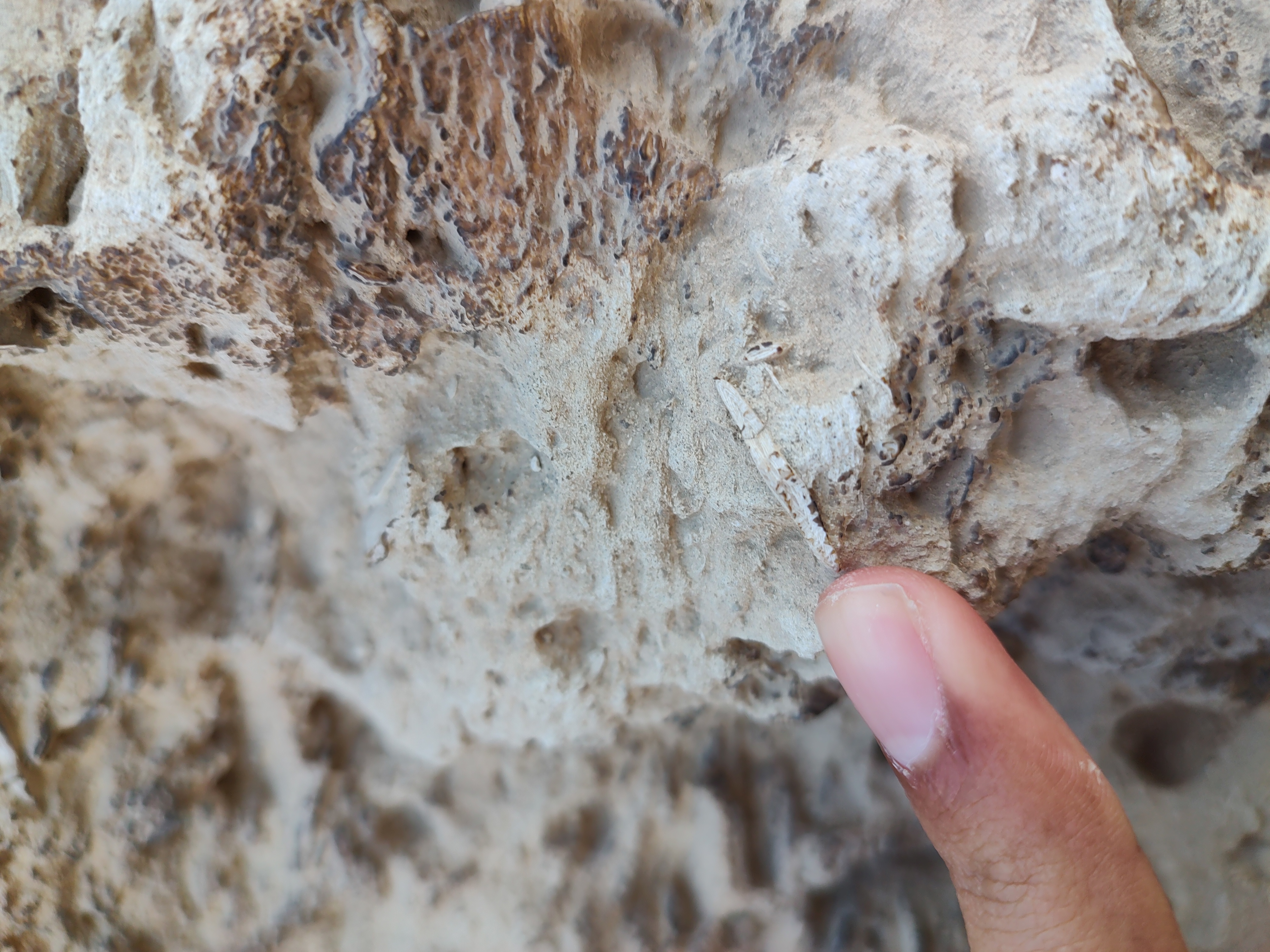
Visiting the pyramids was an unforgettable experience. Like everyone, I first looked up,
amazed by their scale and beauty. But very quickly, the geologist in me took over: I began
examining the limestone blocks, noticing large bioclasts, visible even without a microscope.
The Pyramid limestones preserve shallow-marine carbonates including Nummulites (benthic foraminifera).
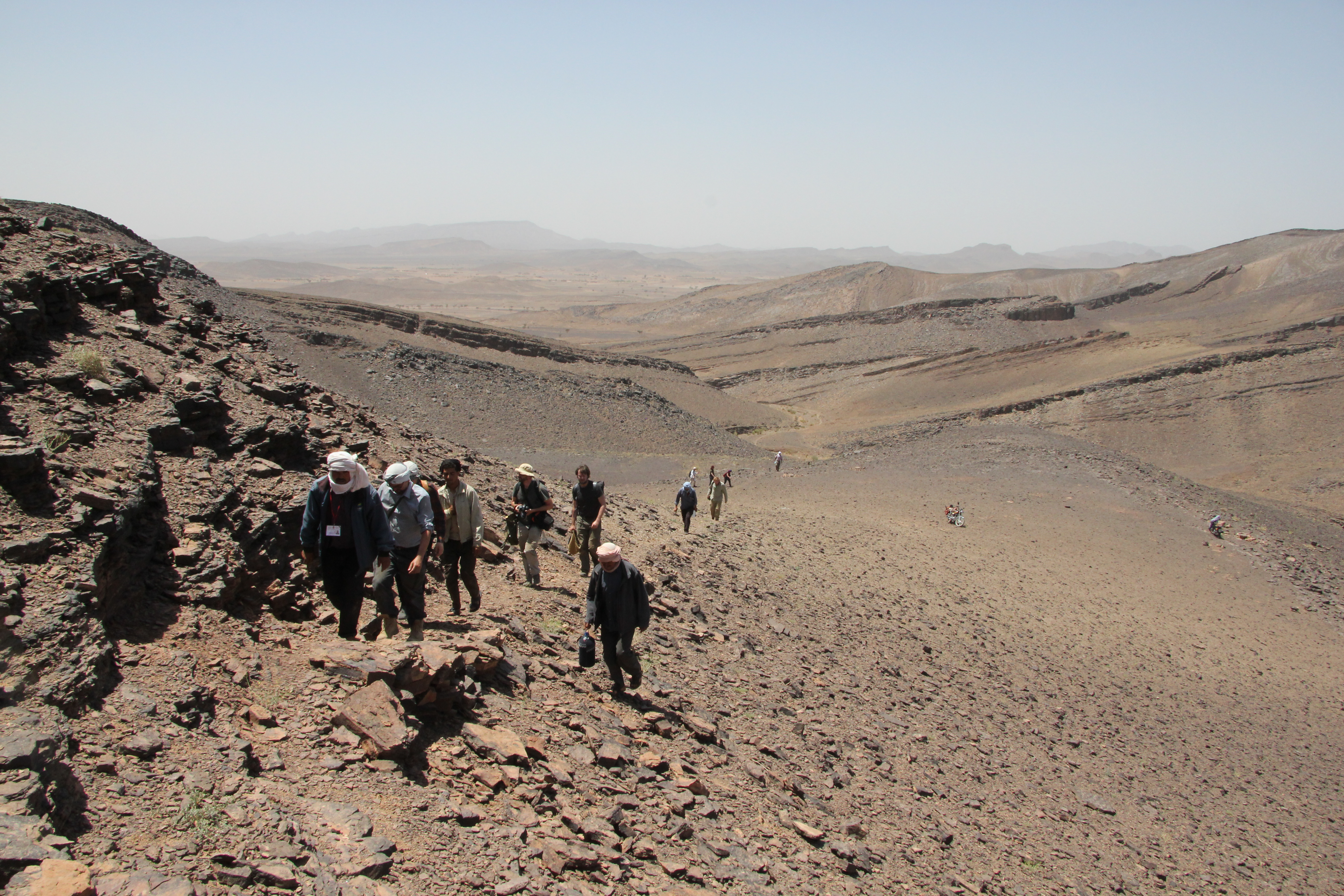
Paleozoic stratigraphy and fossil exploration in the Anti-Atlas region
Field excursion across key Paleozoic localities in Morocco, exploring expanded
Paleozoic sequences and exceptionally preserved fossils. The trip provided hands-on
experience with trilobites, crinoids, and diverse invertebrate assemblages,
alongside sedimentological logging and paleoenvironmental interpretation in one of the most
iconic Paleozoic regions of the world.